
$66.00 – $180.00Price range: $66.00 through $180.00
Biblical art: Giclee print on canvas or on fine art paper
Size 30 x 42cm (12″ x 16″)
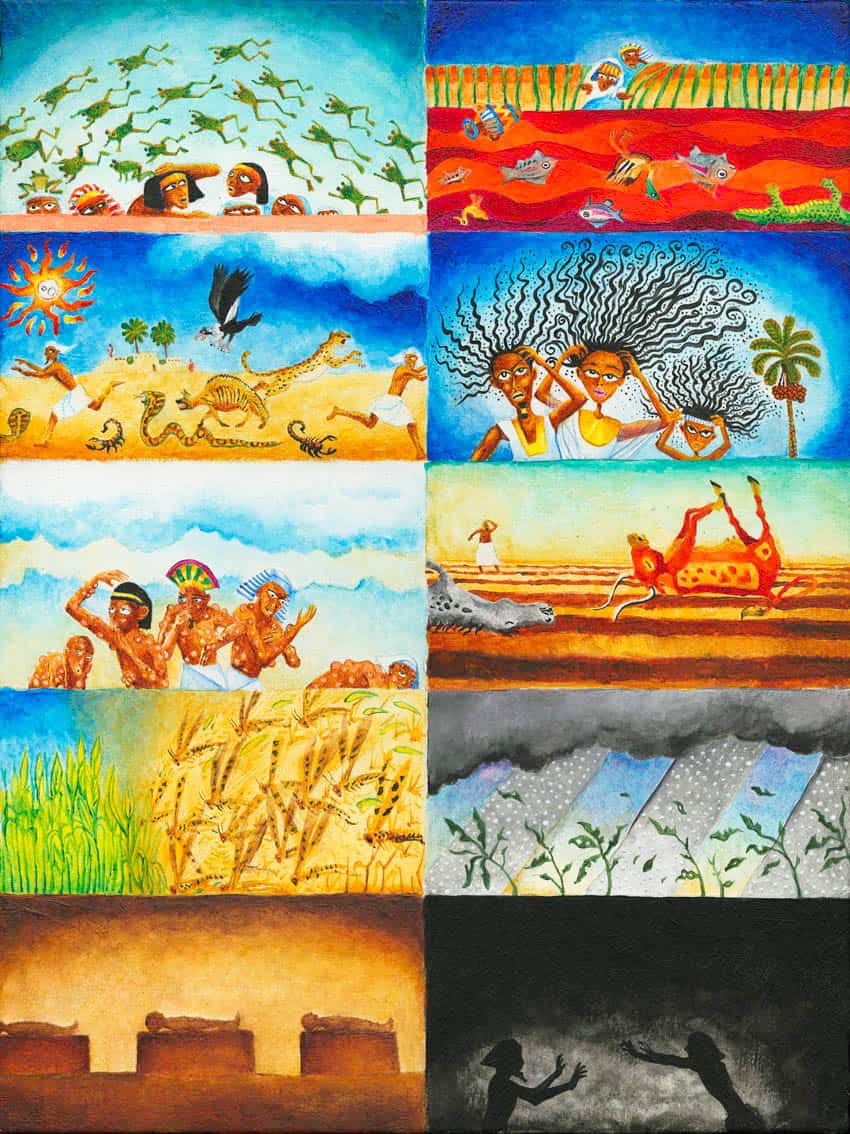
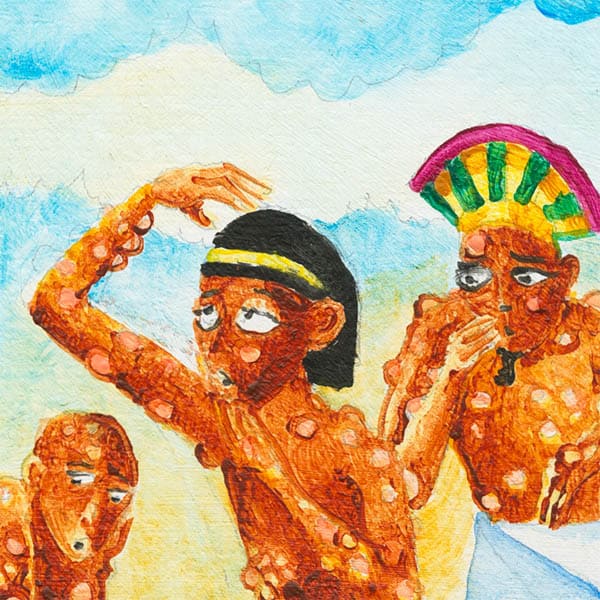
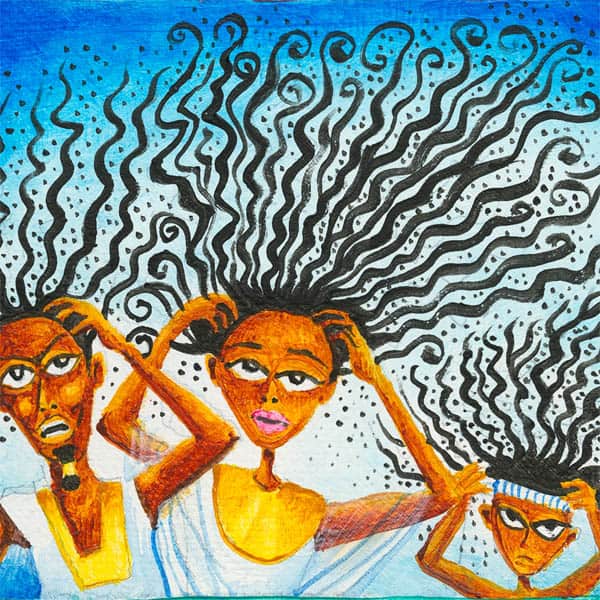
This excerpt is taken from the passage describing the Ten Plagues:
And Pharaoh arose at night, he and all his servants and all the Egyptians. There was a great outcry in Egypt, for there was no house in which no one was dead. So he called for Moses and Aaron at night, and said, “Get up and get out from among my people, both you, as well as the children of Israel, and go, worship the Lord as you have spoken. Take also your flocks and also your cattle, as you have spoken, and go, but you shall also bless me.” So the Egyptians took hold of the people to send them out of the land, for they said, “We are all dead.” – Exodus Ch 12

Parshat Bo opens with a striking and unusual command from Hashem to Moshe:
בֹּא אֶל־פַּרְעֹה
“Come to Pharaoh.” (Exodus 10:1)
Not go, but come.
The Torah is precise. Hashem is not sending Moshe alone into the heart of darkness; He is telling him: I am already there. Evil may appear dominant, but it is never sovereign. Confronting it requires courage and faith that one does not stand alone.
Pharaoh, like world leaders today, demanded “peace.” But it was peace built on slavery. Order built on oppression. Stability enforced through terror. Hashem dismantles that illusion plague by plague until the final moment, when He demands something extraordinary of the Jewish people.
וְלָקְחוּ מִן־הַדָּם וְנָתְנוּ עַל־שְׁתֵּי הַמְּזוּזֹת וְעַל־הַמַּשְׁקוֹף
“They shall take of the blood and place it on the two doorposts and on the lintel.” (Exodus 12:7)
This was not a quiet ritual. This was a public declaration.
The blood marked Jewish homes in full view of the Egyptians, the very people who worshipped the lamb and would have gladly retaliated. The Jews were afraid. The Torah does not deny their fear; it records their obedience despite it. Why did they do it? Because their belief in Hashem’s protection outweighed their fear of Egyptian power.
וְרָאִיתִי אֶת־הַדָּם וּפָסַחְתִּי עֲלֵכֶם
“I will see the blood, and I will pass over you.” (Exodus 12:13)
And then:
וַיֵּלְכוּ בְנֵי־יִשְׂרָאֵל וַיַּעֲשׂוּ
“And the Children of Israel went and did.” (Exodus 12:28)
Redemption did not begin with the sea splitting. It began when the Jewish people chose faith over fear, action over debate, obedience over consensus.
We are living through the same test. Tyranny still cloaks itself in legitimacy. Murder is still dismissed as “internal affairs.” Silence is still sold as neutrality.
The Torah warned us: Evil systems collapse not because they lack power, but because they lack truth. When the world selectively mourns, selectively protests, and selectively applies outrage, it is not choosing peace; it is choosing convenience. And Jews know all too well where that road leads.
Parshat Bo does not end in darkness, but in movement. In preparation. In a people ready to leave even before the path is clear.
The Jewish people did not wait for permission.
They did not wait for consensus.
They trusted and they stepped forward.
Even now, we remember:
מעט מן האור דוחה הרבה מן החושך
“A little light dispels much darkness.”
Redemption begins when a people decide they will no longer whisper.
May we have the courage to come forward, as Moshe did.
May we mark our doorposts proudly, visibly, without fear.
And may we soon merit a redemption that leaves no room for Pharaohs ancient or modern.
| Canvas or Paper |
|---|