
$66.00 – $180.00Price range: $66.00 through $180.00
Biblical art: Giclee print on canvas and on fine art paper
Size 30 x 42cm (12″ x 16″)
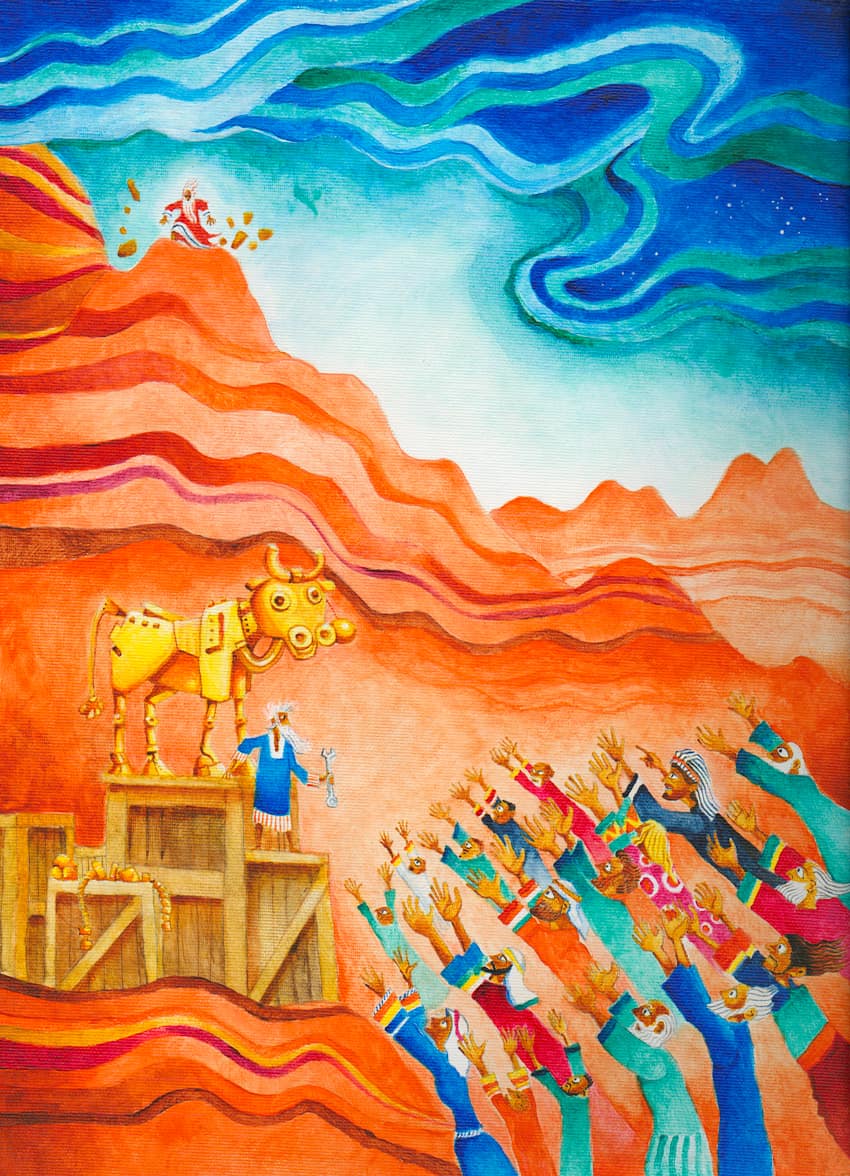
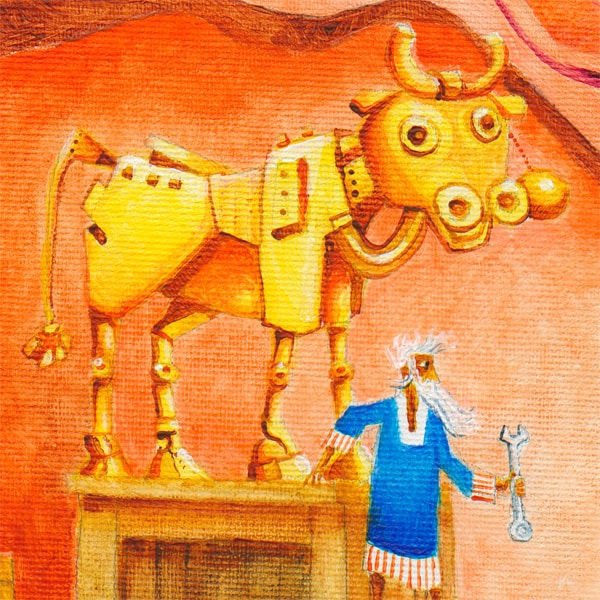
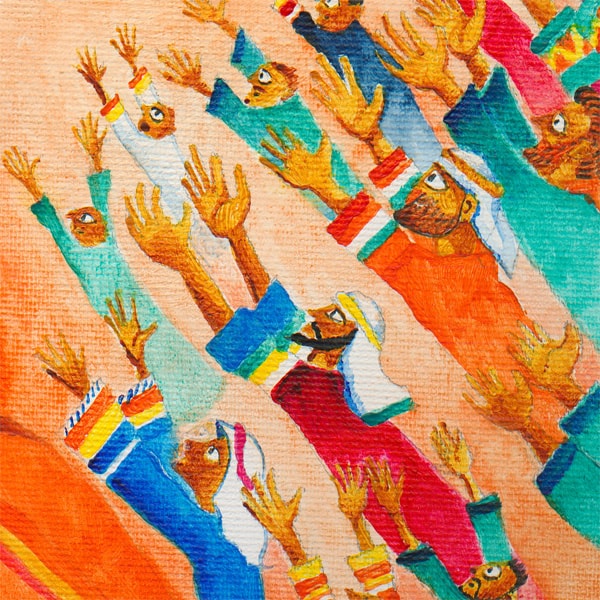

Ki Tisa contains one of the most painful episodes in the Torah: the sin of the Golden Calf (Shemot 32).
After witnessing the plagues of Egypt, the splitting of the sea, manna from heaven, and the revelation at Mount Sinai, the Jewish people had experienced miracles beyond imagination. And yet, in a moment of fear and impatience, many turned away and built an idol of gold (Exodus 32:1–4).
How could a people who had witnessed such overwhelming evidence of G-d’s presence abandon their faith so quickly?
Sadly, the temptation to chase the Golden Calf did not end in the wilderness.
It continues in every generation.
Our tradition teaches that the forces that threaten life and truth often appear in different forms—sometimes as many-headed serpents, sometimes as tyrants issuing decrees, and sometimes as idols tempting people to abandon the covenant.
The challenge in every generation is the same: whether we will stand with courage and remain faithful to the mission entrusted to us.
And one cannot help but notice the stunning hypocrisy of our times. Where are the self-proclaimed humanitarians who took over university campuses across America?
As unarmed Iranians continue to suffer under the brutality of the regime’s security apparatus, the IRGC and related organs of repression, the silence from many of these same activists is deafening.
Even today, there are those who claim to be G-d-fearing and scripture-believing, yet seek to undermine the very people through whom the Torah entered the world.
But the Torah tells a very different story.
When G-d first calls Avraham, He declares:
וַאֲבָרֲכָה מְבָרְכֶיךָ
וּמְקַלֶּלְךָ אָאֹר
וְנִבְרְכוּ בְךָ
כֹּל מִשְׁפְּחֹת הָאֲדָמָה (Genesis 12:3)
“I will bless those who bless you, and those who curse you I will curse; and through you shall all the families of the earth be blessed.“
In the aftermath of the Golden Calf, Moshe issues a simple call:
מִי לַיהוָה אֵלָי
“Whoever is for Hashem, come to me.” (Exodus 32:26)
The Torah tells us that the tribe of Levi stepped forward.
In both Purim and Ki Tisa, the turning point comes when people gather and step forward, reminding us that while miracles may open the door to redemption, it is human courage that walks through it.
In every generation there comes such a moment, a moment when neutrality disappears, and resolve must become action.
The story of the Golden Calf does not end in destruction.
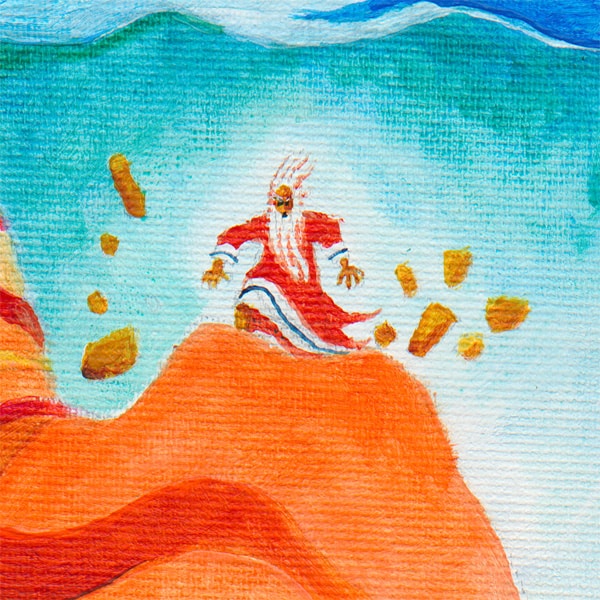
Moshe breaks the tablets (Exodus 32:19) in response to the people’s betrayal. But the story does not end there. The Jewish people repent, and Moshe ascends the mountain once again.
It is at this moment that G-d reveals the Thirteen Attributes of Mercy, the eternal reminder that justice is never the final word, and that repentance can reopen the gates of compassion.
וַיַּעֲבֹר יְהוָה עַל־פָּנָיו וַיִּקְרָא
יְהוָה יְהוָה אֵל רַחוּם וְחַנּוּן
אֶרֶךְ אַפַּיִם וְרַב־חֶסֶד וֶאֱמֶת (Exodus 34:6)
Only after this renewal does Moshe descend with the second tablets:
וּמֹשֶׁה לֹא־יָדַע כִּי קָרַן עוֹר פָּנָיו
“Moshe did not know that the skin of his face radiated light.” (Exodus 34:29)
Just as the Menorah in the Mishkan was commanded to burn continually as a source of light for the nation (Exodus 27:20), Moshe himself now carries that light.
Since October 7th, the Jewish people have endured darkness and pain. Yet we have also witnessed extraordinary courage, unity, and resilience as people stepped forward to defend life, help the wounded, and rebuild what was broken.
The light that Moshe carried did not end on Sinai, it continues wherever the covenant is carried forward.
Just as Moshe returned with renewed tablets and renewed light, so too will our people emerge from this moment stronger, clearer, and more united.
And as our prophets and sages have taught throughout the generations, the light of Israel may be tested, but it is never extinguished.
| Canvas or Paper |
|---|